

6 foods kings and royals in ancient India reportedly loved eating
What did ancient Indian kings crave when they sat down for a meal? It wasn’t always extravagant feasts overflowing with exotic ingredients, as movies often make us believe. In reality, many royal favourites would still feel familiar today. The difference lay in the way they were prepared, slow-cooked in palace kitchens, enriched with the finest ghee, perfumed with saffron, and served on gleaming metal platters by armies of royal cooks. From comforting bowls of creamy kheer to juicy mangoes grown in palace orchards, these dishes blended luxury with tradition. Centuries later, they continue to hold a special place on Indian tables, making us realise that some of India’s most timeless foods were once considered worthy of royalty. Scroll down to discover six foods that ancient Indian kings and royal families reportedly loved eating.
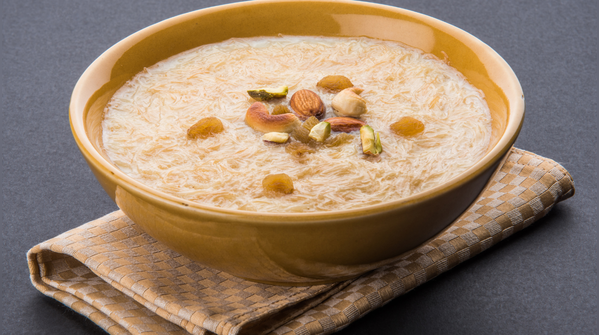
Kheer was the dessert fit for a throne
If there was one sweet that effortlessly crossed kingdoms and dynasties, it was kheer. Rice was simmered for hours in rich milk until it turned silky, then finished with saffron, cardamom and generous handfuls of nuts. It wasn’t just dessert, it was a symbol of prosperity. Royal feasts, religious ceremonies and celebrations were rarely complete without a bowl of this creamy indulgence, and its place in Indian cuisine has barely changed over the centuries.
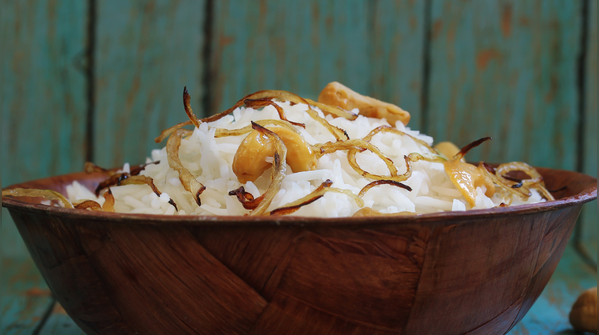
Ghee-soaked rice dishes stole the spotlight
Long before biryani became a household favourite, royal kitchens were already treating rice like a luxury ingredient. Cooks slow-cooked fragrant varieties with generous amounts of ghee, whole spices, dried fruits and herbs to create dishes that were both comforting and spectacular. Every kingdom had its own version, but the idea remained the same: rice wasn’t a side dish, it was often the star of the royal table.
Wild game was a prized royal delicacy
For many rulers, hunting was more than a pastime, it was a display of power. The day’s catch often became dinner. Venison, wild boar, quail and other game meats were roasted over open fires or slow-cooked with aromatic spices. Not every dynasty embraced meat, especially those influenced by vegetarian traditions, but in several ancient courts, freshly hunted game was considered one of the highest luxuries.
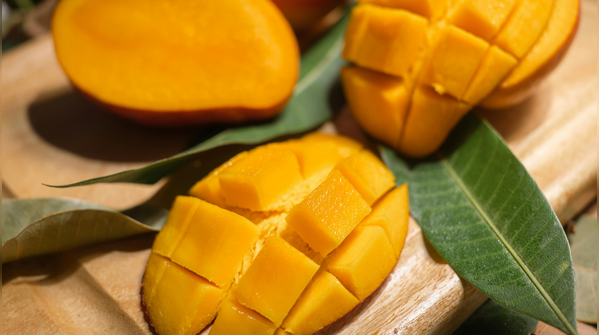
Mangoes were nature’s royal indulgence
India’s obsession with mangoes goes back thousands of years, and kings were among the fruit’s biggest admirers. Royal orchards carefully cultivated prized varieties, with the sweetest fruits reserved for palace kitchens. Mangoes were enjoyed fresh, turned into refreshing drinks or preserved for months when the season ended. Offering rare mangoes to honoured guests was also considered a gesture of prestige and generosity.
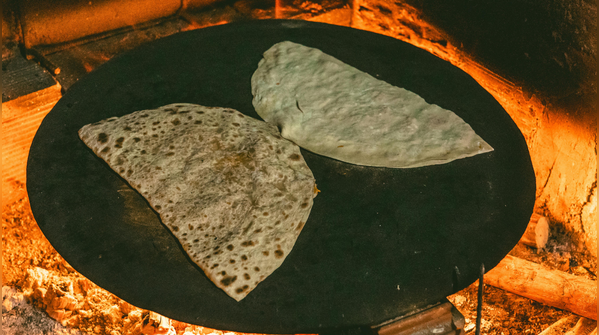
Stuffed flatbreads brought comfort to royal meals
Not every royal favourite was complicated. Rich stuffed flatbreads, including early versions of puran poli, were cherished for their balance of flavour and comfort. Filled with sweet lentils and jaggery, brushed with plenty of ghee and lightly scented with cardamom, they offered the perfect ending to festive meals. Palace cooks simply elevated them with the finest ingredients available.
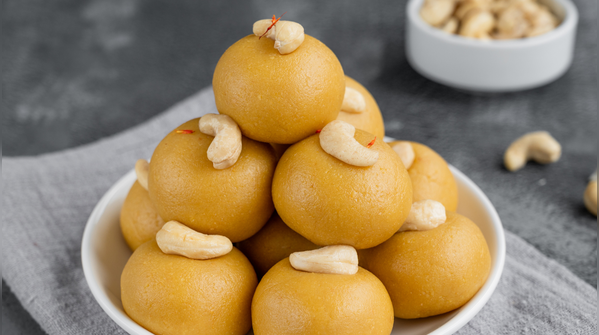
Laddoos were the celebration sweet of choice
Every grand celebration needed a grand sweet, and laddoos rarely disappointed. Whether made from roasted gram flour, wheat or sesame, these bite-sized treats were enriched with dry fruits, saffron and pure ghee in royal kitchens. They travelled well, lasted longer than many desserts and became a staple at coronations, festivals and palace ceremonies, making them one of India’s oldest royal indulgences.